

Small business owners frequently leave thousands of dollars unclaimed each year because their accounting missing deductions becomes a hidden drain on profits. When financial records lack detail, expenses go uncategorized, or receipts disappear into desk drawers, the IRS doesn’t remind you what you could have claimed. Instead, you simply pay more tax than necessary. The good news is that most missed deductions stem from fixable accounting habits, not complex tax code mysteries.
Why Deductions Slip Through the Cracks
Most small business owners handle dozens of tasks daily, and detailed expense tracking rarely feels urgent until tax season arrives. By then, reconstructing six or twelve months of purchases from bank statements and faded receipts becomes guesswork. Without a systematic approach to categorizing expenses when they happen, even significant business costs blend into personal spending or get labeled too broadly to claim.
The tax code allows deductions for ordinary and necessary business expenses, but the burden of proof sits entirely with you. If your records can’t demonstrate that a purchase served a legitimate business purpose, the IRS will disallow the deduction during an audit. This reality makes real-time documentation your most valuable tax-saving tool.
Common Small Business Expenses That Disappear
Certain categories of spending vanish more often than others. Home office deductions top the list because many business owners fear audit risk or don’t realize they qualify when they use a dedicated workspace, even if it’s just a desk in a spare room. The simplified method allows up to $1,500 in deductions without measuring square footage or calculating utility percentages.
Vehicle expenses represent another major blind spot. If you drive for business errands, client meetings, or supply runs but only track mileage occasionally, you’re likely claiming a fraction of the allowable amount. At 65.5 cents per mile for 2023, a forgotten 50-mile round trip each week costs you $1,700 in annual deductions.
Professional development, subscriptions, and software fees often escape notice because they seem small individually. A $30 monthly accounting app, $50 industry magazine subscription, and $200 conference ticket add up to $760 yearly, but without deliberate tracking, these charges blend into background noise.

Warning Signs Your Records Need an Overhaul
Several symptoms point to accounting systems that leak deductions. If you can’t answer within 30 seconds how much you spent on office supplies last quarter, your categorization needs work. When preparing taxes feels like an archaeological dig through email receipts and credit card statements, your documentation process has failed.
Another red flag appears when your tax preparer asks for specific expense breakdowns and you respond with estimates or round numbers. Professional tax preparation relies on actual figures, and guessing almost always works against you because you’ll lowball to avoid appearing aggressive.
If you file Schedule C but claim fewer than eight expense categories, you’re probably missing opportunities. Most active businesses legitimately incur costs across advertising, insurance, legal fees, office expenses, supplies, utilities, depreciation, and more.
The Hidden Cost of Poor Categorization in Florida Businesses
Florida’s tax environment creates unique deduction opportunities that generic accounting overlooks. While the state has no personal income tax, federal deductions still matter enormously for small business owners, and proper categorization ensures you claim every dollar allowed. Business owners in Florida who maintain second offices or storage spaces, participate in industry events across the state, or serve clients in multiple counties often accumulate deductible travel and transportation costs that poor record systems miss entirely.
Quick Tax and Credit Solutions Texas works with business owners to identify these location-specific opportunities that out-of-state or automated services frequently overlook. The physical distance between client sites, supplier locations, and your office creates mileage deductions, but only if you track them.
How Timing Errors Reduce Your Deductions
Even when you remember to record an expense, booking it in the wrong period can eliminate the deduction for that tax year. If you prepay six months of business insurance in December but your bookkeeper records it in January, you’ve just shifted a legitimate current-year deduction into the future. For cash-basis businesses, the payment date determines deductibility, not the service period.
Major equipment purchases create similar timing challenges. If you buy a $5,000 computer in December but don’t update your books until tax time, you might forget to claim Section 179 expensing and instead depreciate the asset over five years. That mistake delays thousands in deductions that could have reduced your current tax bill.
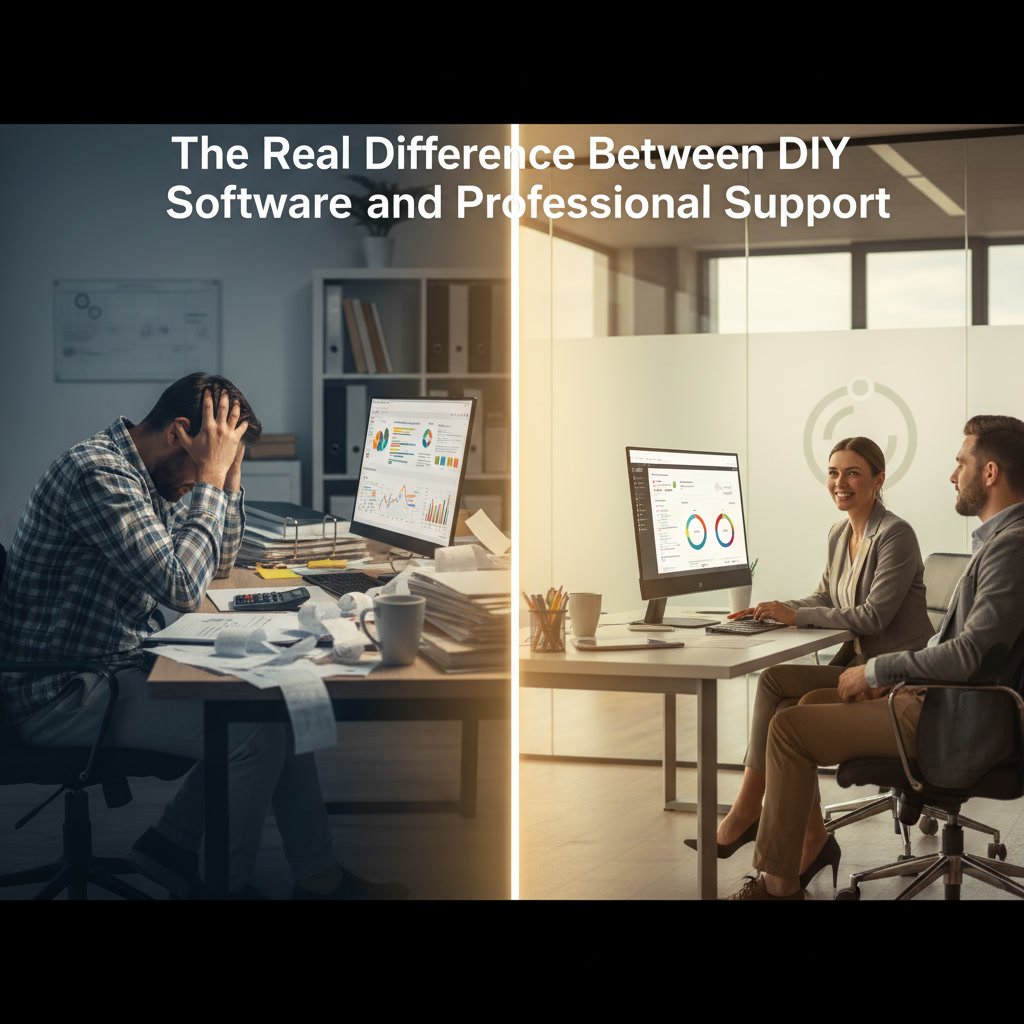
The Real Difference Between DIY Software and Professional Support
Accounting software helps, but it can’t identify deductions you don’t know exist. Programs will categorize what you enter, but they won’t notice that you paid sales tax on a business asset purchase (often deductible), that your professional liability insurance qualifies as a business expense, or that the meal you bought while traveling for work is 50% deductible rather than personal.
Professional bookkeeping services ask probing questions about your business activities specifically to surface these hidden deductions. An experienced bookkeeper reviews your transactions with a trained eye for tax-saving opportunities, not just accurate record-keeping.
Five Specific Deductions Most Small Businesses Miss
First, startup costs before your business officially opened often go unclaimed. The IRS allows you to deduct up to $5,000 in startup expenses in your first year, with the remainder amortized over 15 years. Market research, initial advertising, training, and even travel to explore business locations qualify.
Second, health insurance premiums paid for yourself, your spouse, and dependents are deductible above the line if you’re self-employed and show a profit. This deduction doesn’t require itemizing and can save thousands annually.
Third, retirement plan contributions for yourself and any employees create immediate deductions while building long-term security. A SEP-IRA allows contributions up to 25% of compensation or $66,000 for 2023, whichever is less.
Fourth, bad debts from customers who never paid for delivered services or products become deductible once you’ve exhausted reasonable collection efforts and can document the loss.
Fifth, educational expenses that maintain or improve skills for your current business qualify, including courses, workshops, books, and related travel. The key distinction is that the education must relate to your existing business, not prepare you for a new field.
When Missing Deductions Signals Bigger Problems
Chronic underreporting of deductions often accompanies other financial management issues. If your accounting system can’t capture tax-saving details, it’s probably also failing to provide the operational insights you need for smart business decisions. You might be underpricing services, overstocking inventory, or missing payment deadlines that trigger late fees.
These problems compound over time. Overpaying taxes by $3,000 annually might not threaten your business today, but over a decade that’s $30,000 in capital you could have reinvested in equipment, marketing, or expansion. Poor financial visibility also makes it harder to secure business funding because lenders want to see organized records that demonstrate profitability and cash flow management.
How to Audit Your Own Deduction Gaps
Start by pulling your last two years of tax returns and comparing your Schedule C or business return deductions against IRS industry averages for businesses your size. Significant shortfalls in categories like advertising, supplies, or vehicle expenses suggest you’re underreporting.
Next, review three months of bank and credit card statements, highlighting every business-related charge. Compare this list against what actually appeared in your accounting system during that period. The gap reveals your documentation failure rate.
Finally, track one full week of business activity in detail, noting every expense no matter how small, every mile driven for business purposes, and every hour spent in your home office. Multiply these weekly figures by 52 to estimate your annual totals, then compare against what you actually claimed. The difference represents money you’re leaving on the table.
Understanding how to read your accounting statements makes this self-audit much more effective because you’ll recognize what normal expense patterns should look like.

Building a Deduction-Capture System That Actually Works
Effective systems match your actual work habits rather than requiring you to adopt entirely new routines. If you’re always on your phone, use a receipt-scanning app that timestamps and categorizes expenses immediately. If you work from a desktop, set a recurring 15-minute Friday appointment to categorize the week’s transactions before details fade.
Separate business and personal finances completely. A dedicated business checking account and credit card create a clear paper trail that simplifies both bookkeeping and audit defense. Mixing personal and business transactions guarantees that some deductions will slip through and increases your audit risk.
For vehicle expenses, choose one tracking method and use it consistently. Either log every business mile with a simple mileage app, or keep meticulous records of actual vehicle expenses (gas, maintenance, insurance, depreciation) if that produces a larger deduction. Switching methods mid-year or tracking inconsistently will cost you.
Schedule a quarterly review with your bookkeeper or accountant to catch categorization errors while they’re fresh and identify estimated tax payment needs. Waiting until April means missed opportunities and potential penalties.
Recovering Lost Value Moving Forward
Fixing your accounting systems stops the bleeding immediately, but you can also recapture some past losses. If you discover significant missed deductions from prior years, you can file an amended return within three years of the original filing date. This process requires reconstructing documentation, so it works best for large, well-documented items like equipment purchases or home office expenses you simply forgot to claim.
More importantly, implementing proper systems now creates a baseline for future growth. Accurate financial records let you make data-driven decisions about pricing, hiring, expansion, and investment. You’ll know your true profit margins, identify your most profitable services, and spot cost overruns before they become crises.
Professional tax and accounting services pay for themselves many times over by ensuring you claim every legitimate deduction, maintain audit-ready documentation, and build financial systems that support sustainable growth rather than creating tax-time panic.
Turning Financial Clarity Into Business Growth
When your accounting captures every deductible expense, you keep more of what you earn and gain clearer insight into your business’s true financial health. The confidence that comes from knowing your numbers are accurate and complete lets you make bold decisions about expansion, hiring, and investment. You’ll negotiate from strength when seeking loans or partnerships because your records demonstrate professional management.
Most importantly, you’ll stop overpaying taxes year after year while competitors with better systems keep more of their revenue. The difference between mediocre and excellent accounting often determines which small businesses thrive and which merely survive.
Quick Tax and Credit Solutions Texas has spent over 20 years helping small business owners build accounting systems that capture every legitimate deduction while providing the financial clarity needed for confident decision-making. Our team reviews your current processes, identifies exactly where deductions are slipping through, and implements practical solutions that fit your workflow. Call +1 (214) 647-1669 to schedule a consultation and discover how much your current system might be costing you.